


Dealing with Basement Flooding? Don’t be a Sump Pump Problem
Many homes have problems with water in their basements, and climate change is making basement flooding worse across the region.
A sump pump is a reliable way to remove unwanted water, but when a pump directs water into the sewer system—through a basement sink or household sewer line—it can overwhelm the capacity of local sewer pipes and local sewer treatment plant or septic system.
Sometimes this causes raw sewage to spill out into the environment or into your neighbor’s basement. Similarly, if sump water is pumped into your septic system, it can cause a backup or overflow. It can also cost your city or town millions of dollars for infrastructure upgrades and environmental fines.
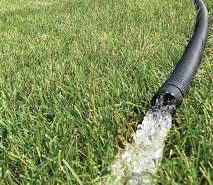 The Right Place to Discharge Your Sump Pump
- Never discharge your sump pump into a sink or other house sewer. It’s illegal.
- Use a flexible hose to discharge outdoors in an area that will filter pollutants and allow water to safely disperse. A grassy area at least 10 feet away from your foundation that slopes gently away from your home (though not towards your neighbors!) is ideal.
- If your yard doesn’t work, consider adding a rain garden or a dry well at least 10 feet from your foundation, which will allow water to soak into the ground.
- Don’t discharge to the city or town storm drain system. That sends pollutants and added flood water into the neighborhood and nearby streams.
- Don’t discharge onto a sidewalk or street, which may cause safety hazards, especially in winter.
 Climate Change is Making Flooding Worse
Our climate is changing. New England is experiencing more rainfall as heavy downpours and getting more rain overall in the winter months. These changes are causing increased river, stormwater, groundwater and sewage flooding for many people. Get involved with your city or town to help prepare your community for these and other impacts of climate change.
 Rain Gardens and Dry Wells to the Rescue
Need somewhere for the water to go? A rain garden or dry well can help.
A rain garden is a shallow depression, basically an artificial puddle, that can hold sump pump discharge until it can disperse. A rain garden can be planted with flowers, or filled in with grass.

A dry well is a small storage tank, usually made of plastic, and completely buried underground. Like a rain garden, it provides a place to hold sump pump water that has nowhere else to go until it can disperse.
What to do? Reduce basement flooding in the first place!
Understand the causes of basement flooding and take steps to reduce it before it starts.
River and Wetland Flooding
Flooding may come from water overtopping the banks of a nearby river or pond and can flow into your basement during the peak of a storm. Adjusting the grading of your yard, adding soil around your foundation and raising the height of any foundation openings can help.
Groundwater seepage
During prolonged rainfall or if you live near a wetland, the soil around your home may become saturated above your basement floor. Rising groundwater can seep in through your basement floor or walls. Extending downspouts, adjusting the slope around your foundation, and installing an underfloor drainage system can help.
Storm drain flooding
When a lot of rain falls very quickly, your yard or storm drains in your street can be overwhelmed, causing flooding around your house, especially if storm drains are clogged with leaves or debris. Keep storm drains clear of debris. Notify the Town if a storm drain needs repair, and add soil around your foundation that slopes away.
Sewage Flooding
Excess water in the sewer or septic system during storms can cause sewage to back up or overflow into your basement. Reconfigure your household sewer pipe or add a backflow preventer and avoid using water during a backup event.